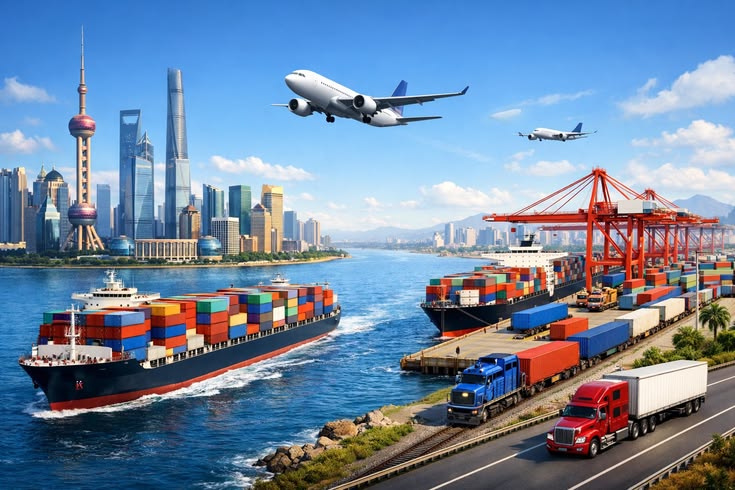
If you’re trying to grow your business across the Middle East and Africa, you already know the biggest obstacle isn’t demand. It’s getting your goods where they need to go without losing weeks in transit or thousands in unnecessary costs.
This is exactly why so many businesses look at JAFZA as their base of operations. As a Middle East Africa logistics hub, it offers something most locations simply can’t match. At 7Seas Matrix, we see firsthand how this location transforms the way businesses reach new markets.
What Makes JAFZA a True Middle East Africa Logistics Hub?
JAFZA sits at the crossroads of three continents. Goods moving through this location can reach markets across the Middle East, Africa, Europe, and Asia within days rather than weeks.
That geography alone puts JAFZA ahead of most competing locations. Add direct access to Jebel Ali Port, one of the busiest ports in the world, and you get a combination of speed and reach that’s hard to replicate anywhere else in the region.
We build our client strategies around this advantage every single day. When you’re shipping from a true regional hub, your entire supply chain gets faster and more predictable.
Why Does the JAFZA Logistics Hub Matter for Businesses Expanding Regionally?
Expanding into new markets usually means dealing with unfamiliar ports, unpredictable transit times, and inconsistent customs processes. That uncertainty makes it hard to plan inventory or promise delivery dates to your customers.
The JAFZA logistics hub removes much of that guesswork. Established shipping routes, consistent customs procedures, and strong carrier relationships mean your shipments follow predictable patterns instead of constant surprises.
For businesses trying to grow across Africa specifically, this matters even more. Many African ports have limited infrastructure, so having a reliable hub like JAFZA as your starting point makes the rest of the journey far more manageable.
How Does Dubai’s Trade Gateway Status Benefit Everyday Business Operations?
Dubai’s reputation as a trade gateway isn’t just marketing talk. It reflects decades of investment in ports, roads, and free zone policies designed specifically to move goods efficiently across borders.
Businesses operating through this gateway benefit from simplified re-export processes, fewer regulatory hurdles, and faster customs clearance compared to many other regional options. That efficiency translates directly into lower costs and shorter delivery windows for you.
We help our clients take full advantage of this gateway status. Our team understands the specific processes that make Dubai’s trade systems work, so your shipments move through without unnecessary delays or paperwork headaches.
What Role Does Logistics Infrastructure in UAE Play in Regional Success?
Strong infrastructure means less room for things to go wrong. Well maintained roads, modern port equipment, and organized customs systems all reduce the chance of delays that ripple through your entire supply chain.
The logistics infrastructure in UAE supports everything from small startup shipments to large scale distribution networks. Whether you’re moving a few pallets or full container loads, the systems in place can handle it without major bottlenecks.
This kind of infrastructure gives businesses confidence to commit to bigger regional expansion plans. You’re not betting on infrastructure that might fail you. You’re building on a foundation that’s already proven itself over years of heavy trade volume.
How Do We Help Businesses Use JAFZA’s Hub Advantage Effectively?
Having access to a great location doesn’t automatically mean you’re using it well. Many businesses underuse JAFZA’s advantages simply because they don’t have a logistics partner who knows how to structure routes and processes properly.
We work closely with each client to map out the most efficient paths for their specific products and destinations. That includes warehousing decisions, carrier selection, and customs strategy tailored to your goods rather than a generic template.
Our team stays hands-on throughout the process, adjusting routes and plans as your business grows or market conditions shift. You get the full benefit of JAFZA’s position without needing to become a logistics expert yourself.
Ready to Build Your Regional Strategy Around a Stronger Hub?
Choosing where to base your logistics operations shapes everything downstream, from delivery speed to overall costs. A Middle East Africa logistics hub like JAFZA gives you a real head start over businesses working from less connected locations.
We’d love to walk through how this hub advantage applies specifically to your products and target markets. Reach out to 7Seas Matrix and let’s build a logistics strategy that actually matches your regional ambitions.
Frequently Asked Questions
Which countries can businesses reach efficiently through the JAFZA logistics hub?
Businesses can reach most Middle Eastern countries, major African markets including Kenya, Nigeria, and South Africa, plus parts of South Asia and Europe. Transit times vary by destination, but JAFZA’s central position generally shortens shipping routes compared to starting from other regional locations.
How does Dubai’s trade gateway status affect shipping costs?
Dubai’s trade gateway status typically lowers costs through efficient customs processes, established carrier networks, and free zone benefits like reduced import duties on re-exported goods. Fewer delays also mean lower storage and demurrage fees, which directly reduces the total cost of shipping goods regionally.
What types of businesses benefit most from UAE logistics infrastructure?
Manufacturers, distributors, and e-commerce businesses shipping to multiple countries benefit significantly. Companies dealing with time sensitive goods, seasonal products, or high shipment volumes see the biggest advantage, since reliable infrastructure reduces the risk of costly delays that affect inventory and customer commitments.
Is JAFZA suitable for businesses just starting to expand into Africa?
Yes, JAFZA works well for businesses new to African trade. Its established routes and experienced logistics providers help newer exporters navigate unfamiliar processes without needing deep in-house expertise in African customs regulations, which can otherwise be a significant barrier to entry.
How long does it typically take to set up operations through a JAFZA based hub?
Setup timelines depend on business complexity, but many companies establish warehousing and shipping arrangements within two to four weeks. Working with an experienced logistics partner familiar with JAFZA’s systems usually shortens this timeline compared to navigating the setup process independently.