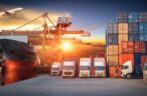
If you run a business in the GCC, you know how fast the region moves. Ports stay busy, borders stay active, and customers expect quick, predictable deliveries. With all this pressure, it’s easy to see why multimodal transport is becoming important for GCC trade routes. It brings together air, sea, and land in a connected way that keeps goods moving with less stress.
What Multimodal Transport Means for GCC businesses
Multimodal transport uses more than one mode to move goods. In the GCC, that usually looks like sea to road, air to road, or sea to rail. Each part plays a role, and when you connect them well, your supply chain runs with fewer delays and fewer surprises.
Businesses across UAE, Saudi Arabia, Qatar, Kuwait, Bahrain, and Oman already rely on this approach. The region grows fast, and you need a system that grows with you. Multimodal transport lets you shift based on demand, urgency, and cost without changing your entire strategy.
A logistics company with strong multimodal capability makes this even easier. It handles coordination, timing, customs, and routing so you don’t deal with gaps between modes.
How Multimodal Transport Supports Trades
1. Faster Deliveries Matter More Than Ever
Customers want reliability. That’s true whether you’re shipping electronics to Riyadh, food items to Muscat, or construction materials across the UAE. Multimodal transport lets you pick the quickest and most stable combination of routes.
- Sea moves volume.
- Air moves speed.
- Road connects everything with flexibility.
When a logistics partner manages them together, you get consistent transit times that help you keep promises to your clients. It’s a good reason why more GCC companies shift toward multimodal plans.
2. Lower Costs Without Cutting Corners
Cost pressure is real across GCC supply chains. Fuel prices shift. Regional demand changes fast. Seasonal peaks hit hard. With multimodal transport, you can adjust routes and modes to match your budget at any point.
- Sea freight can be your main base.
- Road transport fills the gaps.
- Air steps in during urgent situations.
A logistics provider with strong planning tools helps balance all of this so you don’t overspend. You save money not because you take risks, but because you make smarter choices.
3. More Resilience When Trade Routes Shift
The GCC is at the center of major global trade lanes. That’s a strength, but it also means you deal with sudden challenges like port congestion, border slowdowns, and weather issues, especially during peak shipping months.
Multimodal transport gives you backup options.
- If a port gets crowded, your logistics partner reroutes by air or road.
- If a land route slows down, goods move through an alternate port.
This flexibility keeps your supply chain steady even when things around you shift fast.
A Sustainable Choice for Today’s Shipping Market
Sustainability keeps growing as a priority in the GCC. Governments in UAE, Saudi Arabia, and Qatar continue to encourage greener logistics practices. Multimodal transport supports this goal because it reduces emissions by using each mode only where it’s most efficient.
- Sea handles the long-distance bulk with lower energy use.
- Road handles shorter routes.
- Air steps in only when needed.
A logistics partner helps you build routes that support both your business and your environmental goals.
4. Better Control with One Logistics Provider Managing It All
Having one team manage all your modes removes confusion. You deal with one point of contact, one operations process, and one system that tracks your shipments. This improves visibility across your supply chain and keeps your planning simple.
A strong logistics company supports you with:
- Route planning
- Customs coordination
- Warehousing
- Real-time tracking
- Freight optimization
- Local knowledge across GCC borders
When all parts connect under one partner, you spend less time chasing updates and more time focusing on your business.
Why GCC Businesses Can’t Ignore Multimodal Transport Anymore
The GCC will keep growing as a global logistics hub. Ports like Jebel Ali, King Abdulaziz Port, Hamad Port, and Port of Salalah only get busier. Road networks expand. Air cargo links strengthen.
To keep up, you need a transport strategy that matches this speed and complexity. Multimodal transport gives you the balance you need to thrive in today’s market. With the right logistics company supporting your routes, planning, and daily operations, you can turn your supply chain into a strong business asset.