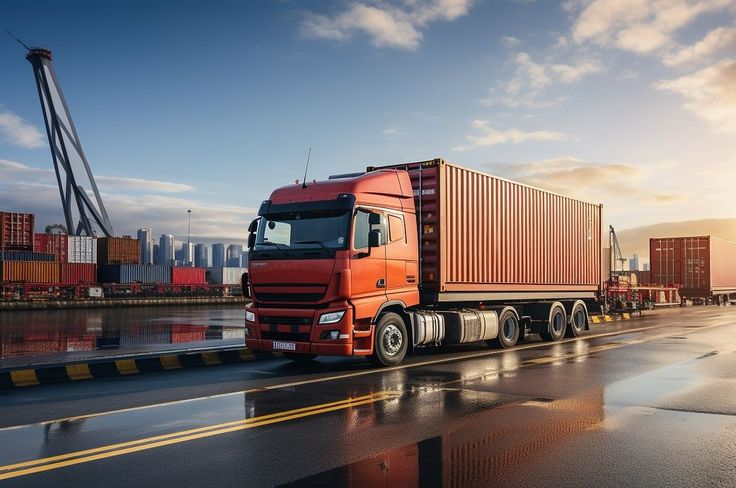
Not every shipment needs to clear customs the moment it lands. For businesses managing complex supply chains, that flexibility can make a significant difference. Bonded warehousing in the UAE gives importers and traders a legal way to store goods under customs control without paying duties upfront. Goods sit in a customs-supervised facility until they’re either released into the UAE market or re-exported to another destination.
This approach offers real financial and operational advantages but only when businesses understand the rules and use the right setup.
Here’s what this blog covers:
- What bonded warehousing in the UAE actually is
- The core benefits of bonded storage
- Who bonded warehouses are designed for
- Key rules businesses must follow
- How this fits into broader supply chain strategy
What Bonded Warehousing in the UAE Actually Means
A bonded warehouse is a facility approved and supervised by UAE customs authorities. Goods stored inside are treated as being in a customs-controlled storage environment as they haven’t officially “entered” the UAE market yet.
Import duties and VAT are suspended for as long as the goods remain in the warehouse. Payment only becomes due when goods are released into the local market.
If those goods are re-exported instead, the duties and taxes may never become payable at all. This is the core advantage of duty suspension warehouse arrangements.
The UAE has a well-established bonded warehousing infrastructure, particularly in Dubai. Customs bonded warehouse facilities in the UAE operate under the authority of the Federal Customs Authority and relevant emirate-level customs bodies.
The Financial Case for Bonded Storage in Dubai
When goods arrive, businesses don’t have to pay import duty straight away. They can hold off until the goods are actually sold or moved into the local market. For large shipments, that’s a big relief.
It gives businesses a bit of breathing space. Instead of paying upfront and waiting to recover that money, they can sell first and pay later. That can really help when demand is unpredictable or stock moves slowly.
There’s also more flexibility with how inventory is handled. Goods can sit in storage, be sorted, or even split into smaller batches. If only part of the shipment is released, duty is paid only on that part, not the whole lot.
And for businesses using the UAE as a transit point, this setup makes even more sense. If the goods are just passing through, there’s no need to pay duty at all, which cuts down unnecessary costs.
Re-Export Advantages in the UAE: Why Transit Traders Love Bonded Warehouses
The UAE is one of the world’s most active re-export hubs. A huge proportion of goods passing through UAE ports and airports are destined for markets in Africa, South Asia, the broader Middle East, and beyond.
Bonded warehousing in the UAE fits perfectly into this model.
Goods can be imported into a bonded facility, held until a buyer in another country confirms their order, and then shipped directly from the facility without ever entering UAE domestic trade. In this scenario, the importer avoids paying UAE import duties entirely.
Re-export advantages in the UAE are a major reason why Dubai has grown into a global distribution center. The bonded warehouse system is a structural part of what makes that possible.
For traders who source from Asia and distribute to the Middle East or Africa, bonded warehousing in the UAE reduces cost, complexity, and administrative burden compared to clearing customs in each transit location.
Who Should Be Using Bonded Warehousing in the UAE?
Bonded warehousing isn’t for everyone. But for some businesses, it just makes things a lot easier.
If you’re importing goods and then sending them to different countries, it’s a big help. Sometimes you don’t even know the final destination right away. With bonded storage, the goods can just sit there until you figure that out.
It’s also useful if import duties are a big part of your cost. Think electronics, auto parts, or anything high value. Paying duty later instead of upfront can really take the pressure off.
E-commerce businesses can benefit too. Returns are messy, especially when goods come back across borders. Keeping them in a bonded warehouse means you’re not paying duty again just to store returned items.
Then there are businesses that stock up before busy seasons. Instead of paying duty on months of inventory in one go, they can spread it out as they sell.
And for manufacturers, it helps with timing. Raw materials can come in, sit in storage, and duty only kicks in when the finished goods are ready to go out.
Rules Businesses Must Follow in a Customs Bonded Warehouse in the UAE
Now, it’s not a free-for-all. There are rules, and they do matter.
First, not every warehouse is bonded. It has to be approved by UAE customs. So if you’re planning to use one, make sure it’s actually authorized.
Goods also need to be declared properly when they come in. No shortcuts here. If something is missing or incorrect, it can cause problems later.
You also can’t store goods forever. There’s a time limit. If items stay too long, you might end up paying duty anyway, or worse, deal with penalties.
Inside the warehouse, you can store, sort, or repack goods. That’s fine. But if you’re thinking about doing heavy processing or manufacturing, that’s usually not allowed in a standard bonded setup.
And finally, records. Everything needs to be tracked: what came in, what went out, and when. Customs can ask to see those details anytime, so it’s something you can’t ignore.
Bonded Warehousing and Supply Chain Efficiency in the UAE
Warehouse logistics in the UAE have become increasingly sophisticated. Bonded storage isn’t just a tax tool. It’s a supply chain efficiency mechanism.
By positioning bonded facilities close to port or airport infrastructure, businesses reduce transit time between arrival and storage. When a sale is confirmed and goods need to move, the process from bonded release to delivery is much faster than if goods had to be re-imported from overseas.
The UAE’s geographic position makes this even more powerful. A bonded facility in Dubai can serve as a distribution hub for dozens of markets across three continents. Goods arrive once, are held efficiently, and move out in the right quantities to the right destinations.
This model reduces the need to hold inventory in multiple countries, cuts freight costs, and improves response time to customer demand.
How 7 Seas Matrix Supports Bonded Warehouse Operations
Managing bonded warehousing isn’t just about storing goods. There’s a lot going on in the background: customs paperwork, coordination with different teams, timelines that need to match up. And honestly, small mistakes here can turn into delays or compliance issues pretty quickly.
That’s where 7 Seas Matrix comes in.
They work closely with businesses dealing with UAE customs, especially those using bonded storage. Whether it’s handling documentation, managing imports and exports, or coordinating with warehouse teams, they help keep things running smoothly.
If you’re setting this up for the first time, or even if you’re already using bonded warehouses but things feel a bit messy, having someone who understands the system makes a difference. It’s less guesswork, fewer errors, and things just move faster.
Conclusion
Bonded warehousing in the UAE isn’t anything new, but it’s still one of the most practical tools for businesses dealing with international trade.
Being able to delay import duties, store goods under customs control, and re-export without extra costs as it all adds up, especially if you’re moving large volumes.
Of course, it’s not something you can set up casually. The rules are there, and they need to be followed. But once it’s done right, it can really improve how your operations run.
And that’s usually where working with the right logistics partner helps. Someone who knows the process can save you a lot of time, and a few headaches too.
FAQs
Q1: Can any type of goods be stored in a bonded warehouse in the UAE?
Not everything, no. Most goods are fine, but there are some obvious exceptions. If you’re dealing with things that spoil quickly or anything hazardous, you’ll probably run into restrictions. Sometimes it just comes down to the facility as well, some can handle it, some can’t. So yeah, better to check before sending anything in.
Q2: Is VAT also suspended on goods held in a UAE bonded warehouse?
Yeah, usually it is. While the goods are sitting there, you’re not paying VAT or duty right away. That only kicks in when the goods actually enter the UAE market. If they’re going out of the country instead, you might not deal with VAT at all. It really depends on how the goods are moved.
Q3: Can goods be processed or modified while stored in a bonded warehouse?
You can do small things, like repacking or labeling. That’s normal. But anything bigger than that, like proper processing or manufacturing, doesn’t really happen in a standard bonded warehouse. For that, you’d need a different kind of setup.