Your shipment is stuck at port. The vessel is delayed by five days. Your customer is waiting.
What do you do? If your logistics depends on a single transport mode, you wait. And hope.
But if you’ve built multimodal transport in logistics into your supply chain, you have options. You reroute. You adjust. You keep moving.
That’s the difference. Here is why multimodal transport is important for supply chain flexibility.
What Is Multimodal Transportation in a Supply Chain?
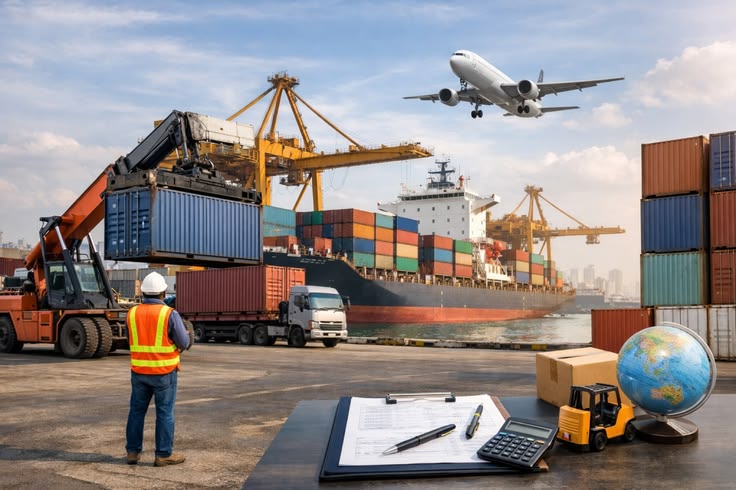
Multimodal transportation in a supply chain means using more than one mode of transport, air, sea, and road, to move goods from origin to destination, and all under a single logistics plan.
One partner. One contract. Full visibility across every leg of the journey.
It’s not about using every mode for every shipment. It’s about having the flexibility to use the right mode at the right moment.
Why the Importance of Multimodal Transport Keeps Growing
Global trade is getting more complex.
Port congestion, geopolitical disruptions, extreme weather, and capacity crunches these aren’t rare events anymore. They’re part of doing business internationally.
The importance of multimodal transport comes down to one word: resilience.
When one mode hits a delay or a disruption, a multimodal setup gives you the ability to adjust without rebuilding your entire logistics plan from scratch.
Real Problems That Multimodal Transport Solves
Multimodal Logistics Services That Cut Delays and Costs
Delivery delays
A port strike delays your ocean shipment. You can shift urgent cargo to air freight while holding the rest. Your customer gets what they need on time. The remainder follows when the disruption clears.
High freight costs
Shipping everything by air is fast but expensive. Shipping everything by sea is cheap but slow. Multimodal logistics services let you split the load intelligently: bulk cargo by sea, time-sensitive items by air, and last-mile delivery by road. You pay the right price for each leg. Not a premium across the board.
Poor visibility
When you use separate providers for each transport mode, tracking turns into a guessing game. Integrated multimodal freight transportation with real-time tracking gives you one clear view of your cargo at every stage.
Cross-border complexity
Customs clearance holds up shipments more often than anything else. When your multimodal logistics partner also handles customs brokerage, friction disappears. One team manages the whole journey.
Why Dubai Is the Best Base for Multimodal Logistics
Dubai sits at the crossroads of Europe, Asia, and Africa.
Jebel Ali is the busiest port in the Middle East. Dubai World Central connects air freight to over 200 destinations. The GCC road network links the Gulf states efficiently.
Multimodal transport in logistics out of Dubai provides you with access to one of the most connected freight ecosystems in the world. That directly translates to faster transit times, lower costs, and more backup options when disruptions hit.
For businesses managing global logistics solutions in the UAE, this geographic advantage is enormous, and most companies don’t use it anywhere near as well as they could.
Build Real Supply Chain Flexibility with 7Seas Matrix
At 7Seas Matrix, we run air, sea, and land transports out of JAFZA, Dubai, and we connect them intelligently.
We don’t just hand your cargo from one mode to another and hope for the best. We plan the full journey, manage customs clearance in-house, and give you real-time tracking across every single leg.
Our global network covers 100+ countries. When something unexpected happens, we adapt quickly without passing the problem back to you.
Multimodal transportation in supply chain management works best when one experienced partner oversees the whole picture. That’s exactly what we do.
Frequently Asked Questions
1. What is the difference between multimodal and intermodal transport?
The main difference is the contract structure. Multimodal transport uses a single contract for the entire journey across all modes. Intermodal may involve separate contracts for each leg. Multimodal is simpler, and it gives you one clear point of accountability from start to finish.
2. How do multimodal logistics services reduce freight costs?
This involves matching the right transport mode to each part of the journey. Bulk cargo moves by sea at lower rates. Urgent items go by air. Local delivery goes by road. This approach avoids paying a premium on every leg, and it lowers your total freight spend significantly over time.
3. Why are multimodal logistics services important for businesses shipping from the UAE?
The UAE’s location gives businesses direct access to major seaports, international airports, and a strong GCC road network all in one place. Multimodal logistics services in the UAE let you use all three intelligently, reduce transit times, and build genuine resilience into your supply chain.