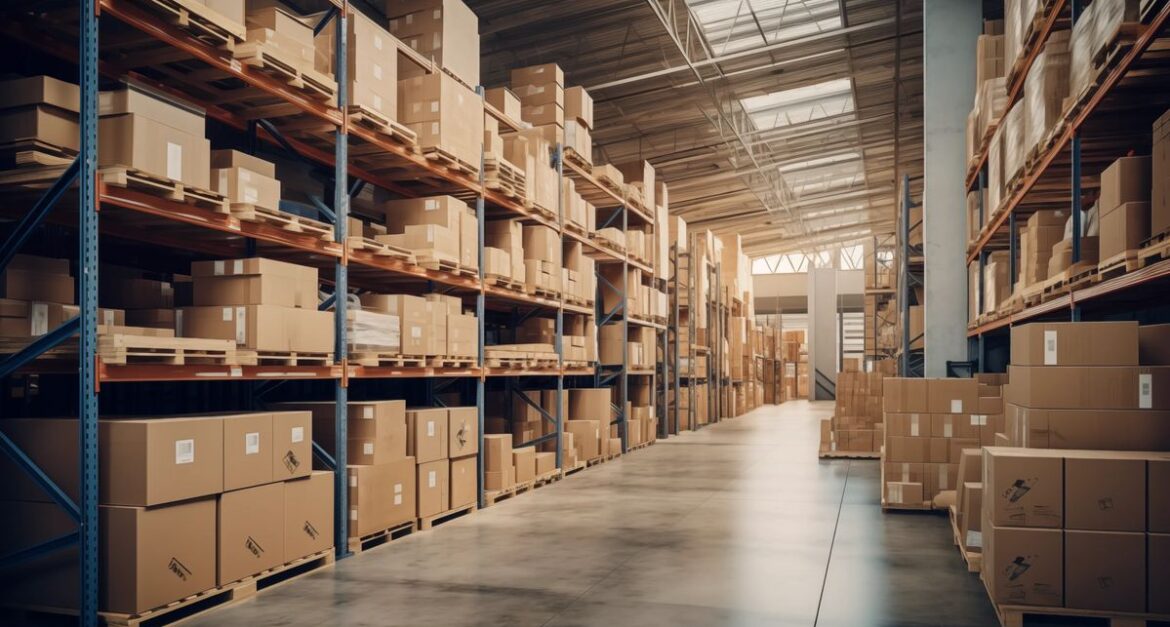
Warehouses are busy places. Heavy machines move around. Workers handle goods all day. Equipment operates at high speeds. All these activities create dangers that need careful management. Good safety practices protect people and keep businesses running without problems or delays.
Why Warehouse Safety Matters in the UAE?
The UAE’s logistics sector grows fast every year. More warehouses mean more workers handling products daily. JAFZA and Dubai work as major logistics hubs where goods move constantly between countries.
When safety practices fail, costs rise quickly. Workers suffer injuries and miss work. Equipment breaks down. Operations slow to a crawl. Customers wait longer for shipments. These problems damage business success and reputation in competitive markets.
Proper Training Creates Safer Workplaces
Workers need clear training before they touch equipment or move products. Warehouse safety training shows people how to lift correctly, run machinery safely, and spot dangers before accidents occur.
Training should not happen only once during hiring. Regular refresher courses keep safety knowledge fresh. New equipment or procedures need extra training sessions. This prevents confusion and mistakes that cause injuries. Recent trends show companies using virtual reality and augmented reality for training.
Equipment Maintenance Prevents Accidents
Forklifts, pallet jacks, and conveyor belts need regular checks to stay safe. Broken or poorly maintained equipment causes many warehouse accidents. Forklift-related incidents account for approximately 25% of all warehouse injuries globally.
Create a maintenance schedule that checks all equipment often. Fix problems right away instead of waiting for a complete breakdown. Keep detailed records of all inspections and repairs. This helps track equipment condition over time and prevents sudden failures.
Clear Pathways and Organized Spaces
Cluttered floors cause trips and falls. Boxes stacked incorrectly can fall over. Loading docks see 25% of warehouse accidents occur every year in the United States. Mark pathways with bright tape or paint. Keep aisles wide enough for equipment and workers to move safely.
Store items at proper heights so heavy boxes don’t fall. Regular cleanup routines stop clutter from piling up. Make sure everyone knows where things belong and follows storage rules.
Personal Protective Equipment Saves Lives
PPE in warehouses includes hard hats, safety shoes, gloves, and high-visibility vests. This equipment protects workers from common warehouse dangers. Head protection stops injuries from falling objects. Steel-toed boots protect feet from heavy items. Gloves prevent cuts and scrapes.
Workers need the right protective gear for their specific tasks. Replace worn or damaged equipment right away. Enforce rules about wearing PPE all the time, not just when supervisors watch.
Temperature Control for Special Products
Cold chain logistics and climate-controlled storage need extra safety steps. Workers moving between warm and cold areas face health risks. Equipment works differently in extreme temperatures and needs special handling procedures.
Provide proper clothing for workers in refrigerated spaces. Limit time spent in very cold areas. Install good ventilation systems throughout the facility. Monitor temperature-sensitive products carefully to prevent spoilage that creates unsafe conditions.
Conclusion
Safety is not a one-time project. It requires constant attention and improvement. Regular safety audits help find weak spots before they cause injuries. Companies should review emergency procedures often and update them as needed. Workers need to understand what to do in different crises.