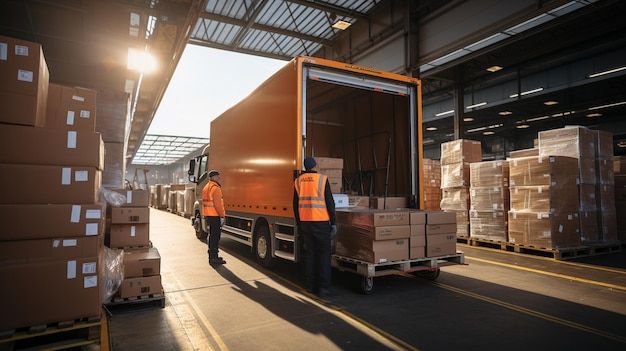
Moving products from one place to another sounds simple. But electronics vs automotive spare parts need totally different handling. Each product type faces unique challenges during shipping and storage.
Both electronics and auto parts contribute heavily to this growth. Understanding their different needs helps businesses save money and avoid damaged goods.
Packaging Needs Are Completely Different
Electronics need special protection from static electricity. Computer chips can die from a tiny spark. Phones and tablets have delicate screens that crack easily. Lithium batteries inside gadgets can catch fire if the packaging gets damaged.
Electronics companies use anti-static bubble wrap and foam inserts. They add moisture-absorbing packets because water damages circuits. Temperature-controlled packaging for electronics maintains stable conditions since extreme heat or cold ruins sensitive components.
Automotive spare parts face different problems. Engine components are heavy and metal. They need strong boxes that can hold weight. Oil filters might leak. Brake pads create dust. Glass parts like mirrors and headlights shatter without proper cushioning.
Temperature Control Matters More for Electronics
Modern electronics hate temperature swings. Batteries lose power in extreme cold. Screens develop dead pixels from heat. Hard drives stop working after temperature damage.
Smart tracking devices monitor shipment temperatures constantly. If a container gets too hot, companies know right away. This prevents entire shipments from getting ruined.
Most auto parts handle temperature changes better. Metal engine parts work fine after sitting in hot warehouses.
Weight Creates Different Challenges
Electronics are usually light but fragile. A box of phones weighs little but costs thousands. Air freight works great for electronics because speed matters and weight stays low.
Fast delivery keeps customers happy. Electronics companies pay more for air shipping because products lose value quickly. New phone models arrive constantly, making older ones worthless.
Automotive spare parts logistics deals with heavy items. Engine blocks weigh hundreds of pounds. Transmissions need special lifting equipment. Ocean freight makes more sense for these heavy parts.
Speed Requirements Differ Significantly
Electronic devices need fast shipping. Phones ordered online should arrive within days. Repair shops need replacement screens quickly. Customers won’t wait weeks for gadgets.
Express shipping dominates electronics logistics. Companies compete on delivery speed. Same-day delivery services exist in major UAE cities. Warehouses sit close to population centers for rapid fulfillment.
Auto parts follow a different timing. Mechanics can usually wait a few days for parts. Some components get ordered weeks ahead. Emergency parts like brake pads need quick delivery, but most repairs can wait.
Documentation Requirements Vary
Both industries need proper paperwork. But the details differ significantly. Electronics face strict import rules. Countries worry about fake products. Batteries need special dangerous goods declarations.
Import documents must show exact model numbers. Serial numbers get tracked carefully. Warranties need registration in destination countries. Customs brokerage services handle these complex requirements daily.
The Emirates Authority for Standardisation and Metrology (ESMA) enforces quality control in the UAE. Electronics must meet safety standards before entering the country.
Each GCC country has unique requirements. Conforming to these standards requires supplier conformity certificates and third-party lab test reports. Getting paperwork wrong delays shipments at borders.
Making the Right Choice
Businesses shipping electronics or auto parts face unique challenges. Electronics need speed, climate control, and theft prevention. Auto parts require strength, proper documentation, and careful handling of heavy items.
Both markets keep growing in the UAE. Companies that master these different logistics requirements will succeed in serving customers across the region and beyond.